

Our Advanced Clinician Scientist Fellows
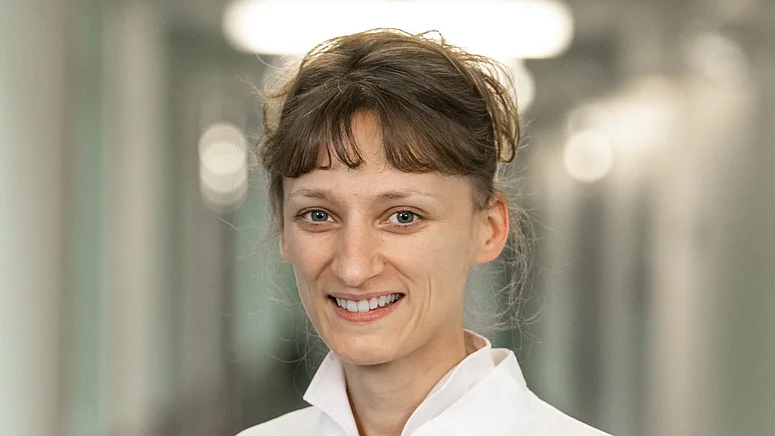
PD Dr. Dr. Bettina Hohberger
ACS Project: “Functional Autoimmune Dysregulation - Personalized Patients´ Care”
Dr Hohberger is investigating the influence of functionally active autoantibodies against G-protein-coupled receptors (GPCR-AAb) at the cellular level and within the whole organism of patients. Her research focuses on the clinical presentations of glaucoma, post-COVID syndrome and systemic lupus erythematosus (SLE). Visit her website
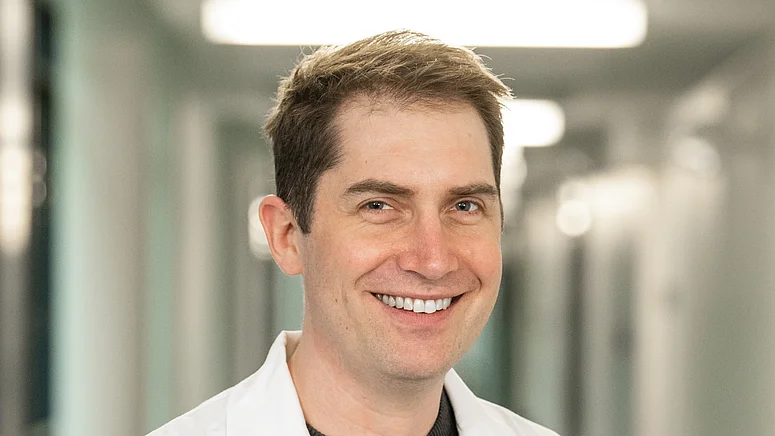
PD Dr. Moritz Leppkes
ACS Project: “Immune dysregulation in the ulcer microenvironment in IBD and associated immunopathologies”
The aetiology of inflammatory bowel disease (IBD) is still not fully understood. In his ACS project, Dr Leppkes is investigating the microenvironment of mucosal erosions and ulcerations in the intestine, with the aim of demonstrating how the dysregulation of the immune system hinders successful wound healing in IBD. Visit his website
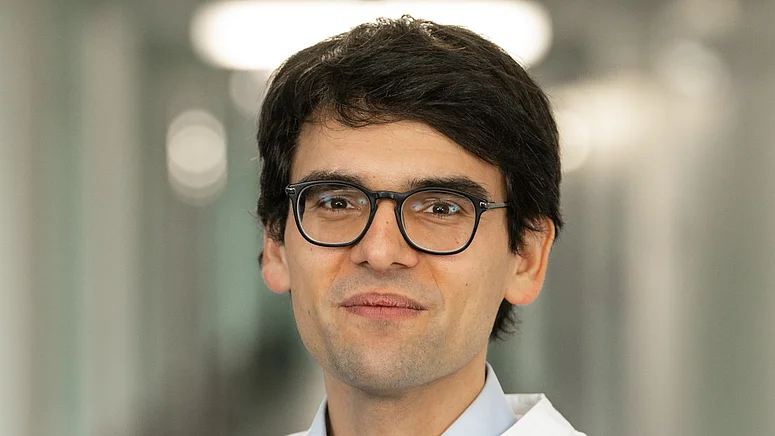
apl. Prof. Martin Regensburger
ACS Project: “Mechanisms of myeloid cell induced inflammation in motor neuron diseases”
Associate Professor Martin Regensburger is investigating the influence of the immune system on nerve cell loss in motor neuron diseases (including ALS) in order to identify potential therapeutic targets. Analyses of patient blood, immune cell activation in the brain, and immune and nerve cells produced from patient stem cells are integrated using artificial intelligence methods in the context of personalised medicine. Visit his website
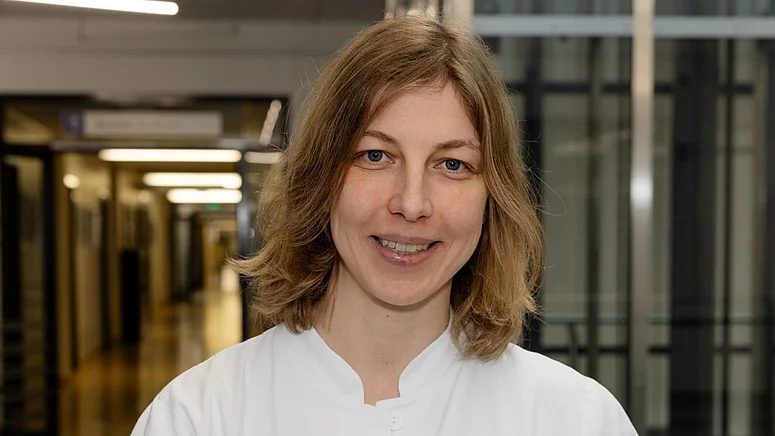
Dr. Christina Bergmann
ACS Project: “Immune-driven tissue responses in autoimmune connective tissue disorders such as Systemic Sclerosis”
Systemic sclerosis is an autoimmune connective tissue disorder that can lead to scar-like hardening of the tissue in the skin and organs. Dr Bergmann is investigating the effects of various immunosuppressants on this tissue remodelling and comparing them with the natural course of the disease. The aim is to unravel the mechanisms underlying therapeutic response and resistance in order to identify the basis for better, personalised treatment strategies. Visit her website
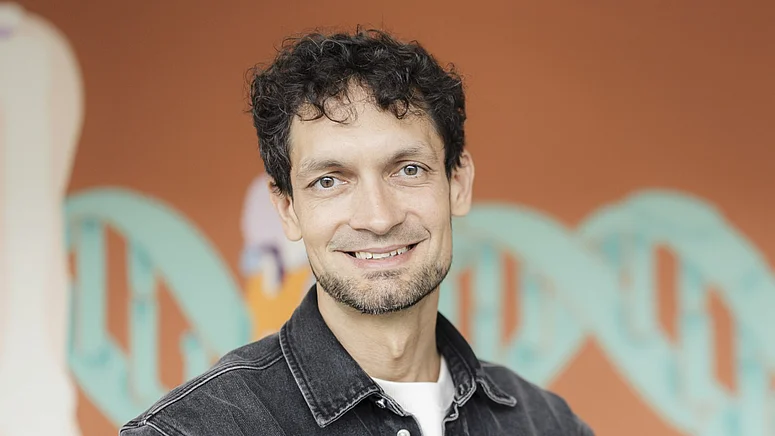
PD Dr. Dr. Peter Dietrich
ACS Project: “Neuropeptide-receptor crosstalk driving immune evasion and metastatic liver colonization”
Dr Dietrich is investigating the mechanisms that lead to liver metastasis. A better understanding of these mechanisms may contribute to the development of new, targeted, molecular therapies with few side effects in the future. He has identified a novel neuropeptide-cancer cell receptor interaction mechanism that plays a decisive role in the formation and growth of liver metastases. Based on these findings, a new therapy is to be developed and subsequently investigated in clinical trials. Visit his website
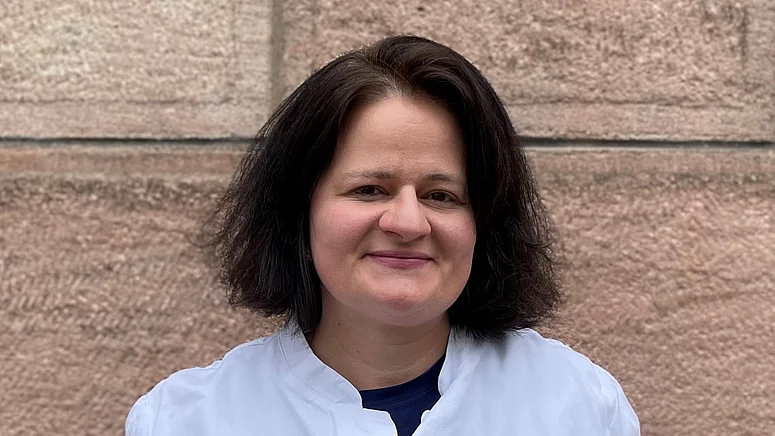
Dr. Anja Pfau
ACS Project: “Evaluation of the effect of anti-inflammatory therapy on the course of recurrent kidney stone disease”
Kidney stones are a common problem that is on the rise worldwide; yet, unfortunately, there are very few pharmacological treatment options available. As basic research in recent years has shown that inflammatory processes also play a role in the formation of kidney stones, the aim of Dr Pfau's project is to investigate whether anti-inflammatory treatment strategies can effectively prevent the formation of kidney stones in humans. Visit her website
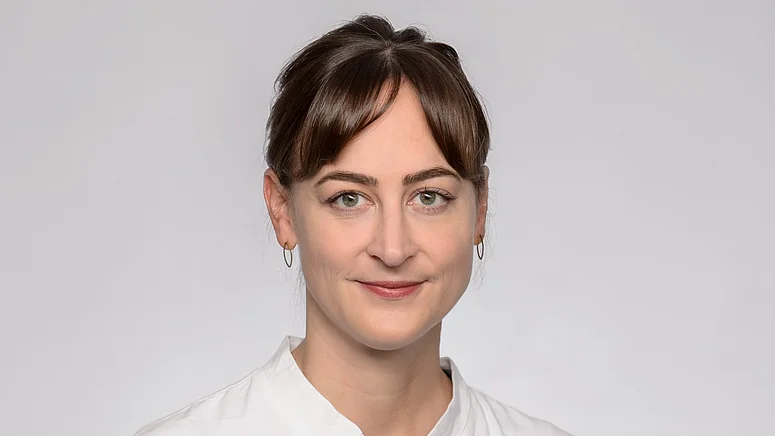
Dr. Franziska Schmidt
ACS Project: “Investigation of inflammatory biomarkers to predict treatment success in deep brain stimulation”
Deep brain stimulation is used to help people with movement disorders or severe chronic pain when other treatments are no longer sufficiently effective. Unfortunately, some patients derive little long-term benefit from it. Certain inflammatory responses in the brain and in the blood appear to influence how well the treatment works. Dr Schmidt is investigating these biological differences in order to be able to predict the success of DBS more accurately in the future. Profile (Website under construction)
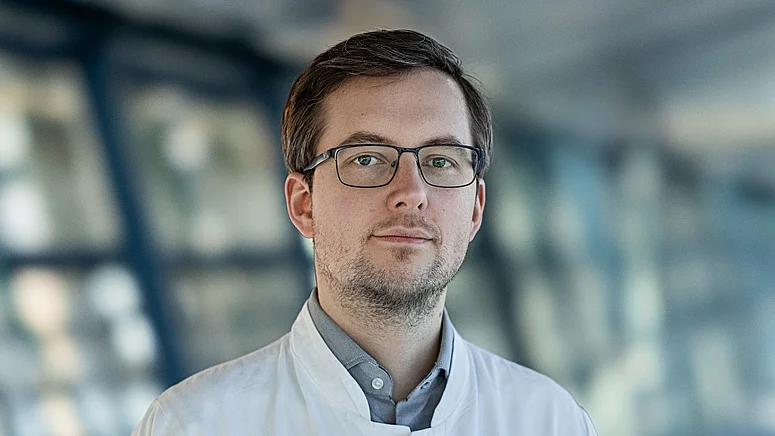
Dr. Patrick Süß
ACS Project: “CNS border-associated immune cells as mediators of gut-brain crosstalk in Parkinson’s Disease”
There is currently no cure for Parkinson’s disease (PD). It is thought that some cases of PD originate in the gut, with inflammatory processes and gut bacteria playing a role. In his project, Dr Süß is investigating the role played by specialised immune cells in the area of the meninges and the blood-brain barrier in transmitting inflammatory and bacterial signals from the gut to the brain, and how this contributes to the development of brain changes typical of PD. Visit his website
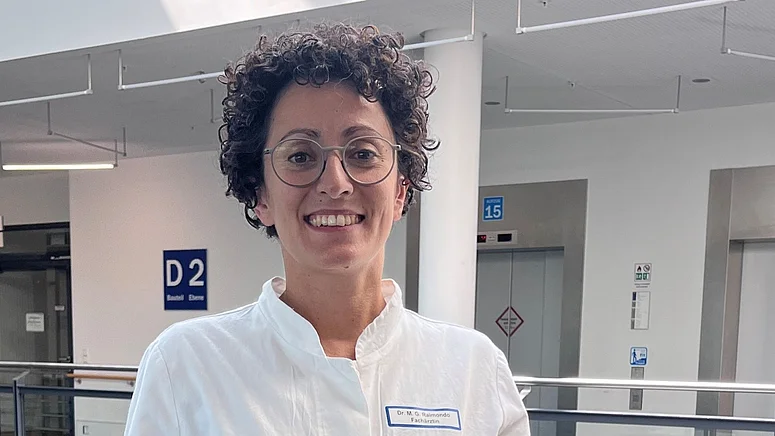
Dr. Maria Gabriella Raimondo
ACS Project: “Cell dynamics in autoimmune resolution following B-cell targeted therapies”
B cells play a key role in autoimmune diseases; they are primarily activated in the lymph nodes. Dr Raimondo is investigating, within the lymph nodes, how B-cell-targeted therapies – including CD19 CAR T-cell therapy – lead to long-term control of autoimmune diseases, enabling patients to remain healthy in the long term without the need for further treatment. Visit her website
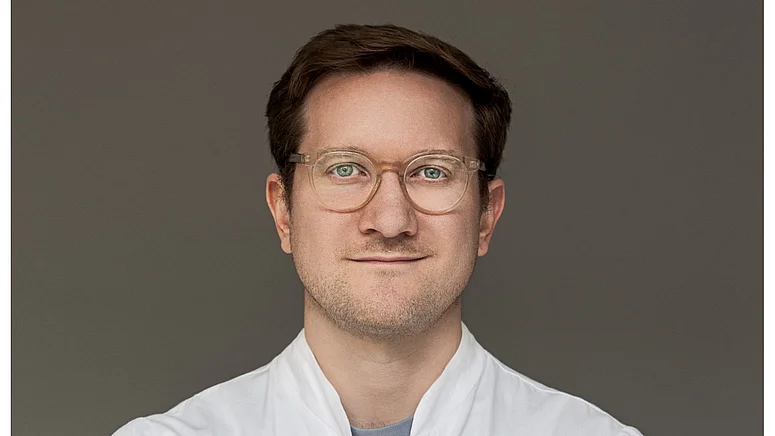
Dr. Dr. Thanos Tsaktanis
ACS Project: “Targeting AhR Signaling in Regulatory B Cells: A Novel Therapeutic Strategy for Relapsing and Progressive MS”
Multiple sclerosis (MS) is a chronic autoimmune disease of the central nervous system which can take a relapsing-remitting or progressive course and leads to increasing nerve damage, particularly in the later stages. Dr Tsaktanis is investigating the function of the aryl hydrocarbon receptor, amongst other things, in cells from MS patients, which are specifically analysed and manipulated outside the body. His goal is to better understand disease-relevant mechanisms and, in the long term, to enable personalised therapeutic approaches. Visit his website
Alumni
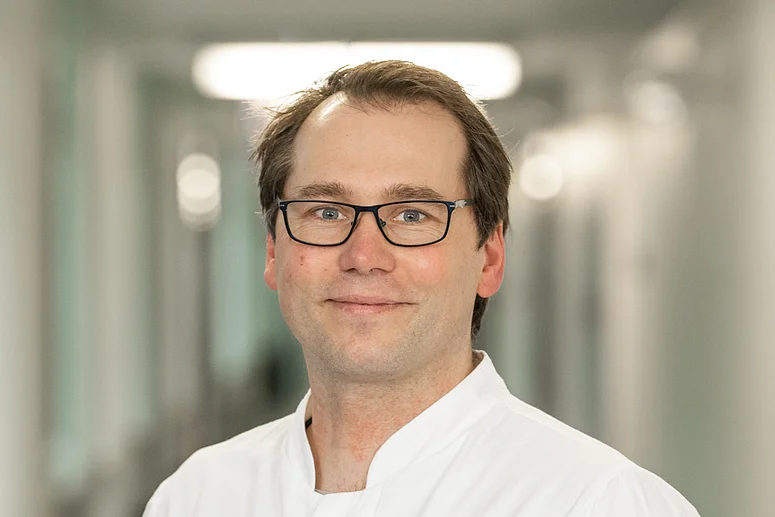
Prof. Fabian Müller
ACS Project: “Cured but not healthy – Long-term impact of cancer and therapy on immunity”
Malignant diseases actively suppress the immune system. Furthermore, the available treatments often lead to further impairment of the immune system, which may be associated with disease relapses. Dr Müller compares existing ‘immune defects’ in patients who have been cured with those seen in patients with relapses, in immunocompetent individuals and in those with autoimmune diseases, in order to better classify the persistent changes in the immune system depending on the tumour and the various forms of treatment. Visit his website